
Protein Showdown: Battle of the Nutrients
Protein versus Protein Shakes, Who Wins?
Protein! Protein! Protein!
Protein plays a crucial role in maintaining muscle strength, supporting the immune system, and aiding cellular functions. It’s an important building block to support your muscles and skeletons, but what’s the best way to consume it?
Here are the pros and cons of obtaining protein from whole foods versus a protein shake.
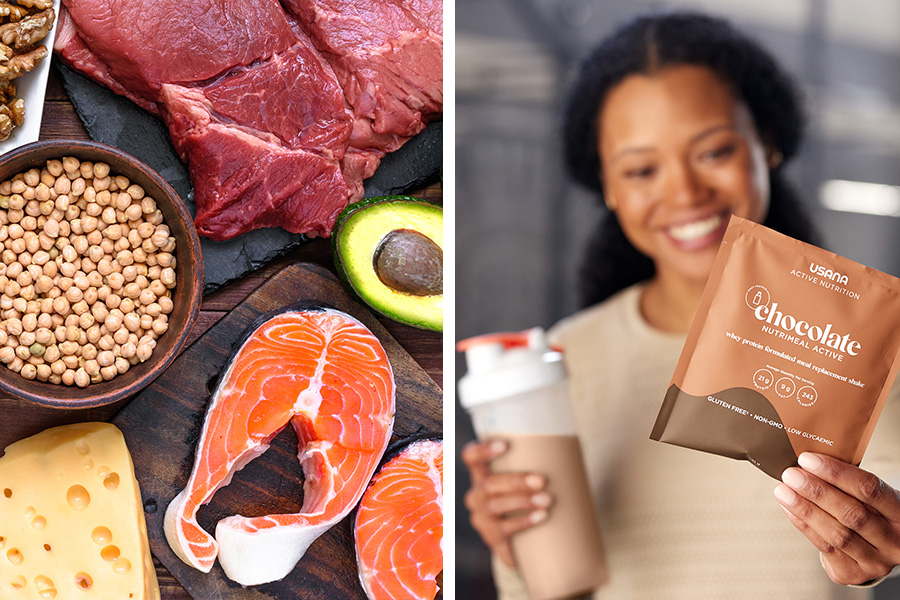
Whole Foods
Unprocessed or minimally processed foods that are nutrient-dense, low calorie, and good for your health.
Pros
- Nutrient Diversity: Whole foods provide a wide range of nutrients beyond just protein. They contain vitamins, minerals, and fiber that contribute to overall health.
- Satiety: Whole foods tend to be more filling due to their fiber content, which can help manage hunger.
- Natural and Unprocessed: You know exactly what you’re getting when you consume whole foods.
Cons
- Preparation Time: Cooking and meal prep can be time-consuming.
- Portability: Not always convenient for busy schedules or on-the-go lifestyles.
- Digestion Time: Whole foods take longer to digest, which may not be ideal for immediate post-workout recovery.
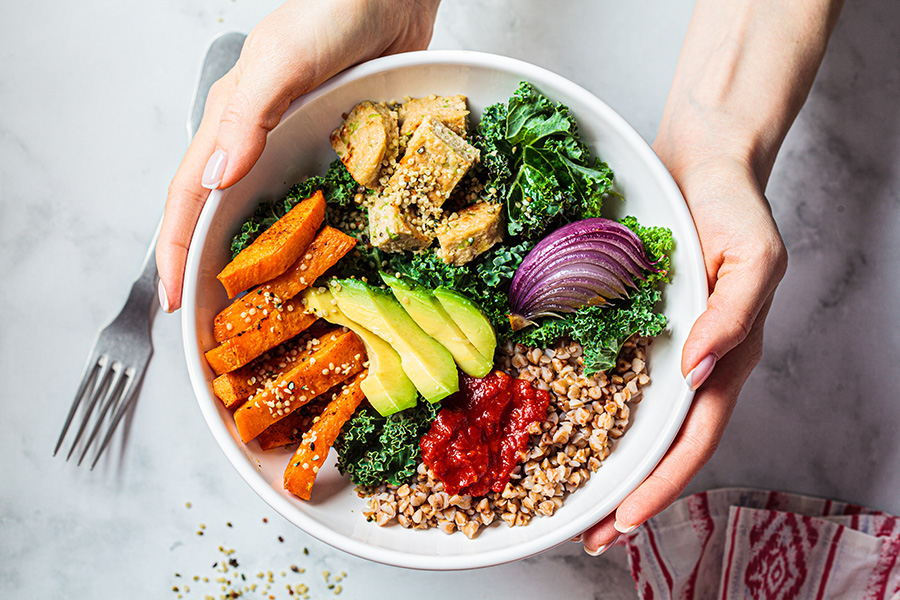
Protein Shakes
A beverage made by blending protein powder with water or milk to provide a convenient and concentrated source of protein for muscle recovery and overall nutrition.
Pros
- Convenience: Shakes are quick and easy to prepare, making them perfect for busy days or after workouts.
- Precise Protein Intake: You can control the exact amount of protein you consume.
- Variety: Protein shakes come in various flavors and types (whey, plant-based, etc.), allowing you to switch things up.
- Rapid Absorption: Liquid protein is absorbed faster than whole foods, making it great for post-workout recovery.
Cons
- Nutrient Profile: Some protein shakes lack the full spectrum of nutrients found in whole foods.
- Added Ingredients: Be cautious of added sugars, artificial sweeteners, and fillers.
- Environmental Impact: Single-use packaging contributes to waste.

So who wins? You do when you combine whole foods with protein shakes. While shakes excel in delivering concentrated protein, whole foods offer a wide spectrum of essential vitamins, minerals, fiber, and antioxidants. Combining both can ensure you benefit from a broad array of essential nutrients.
Pick the Right Protein Shake
If you’re looking for the perfect protein powder, there are a lot of choices out there. Here are some guidelines to help you make the right selection:
- Protein Sources: Opt for high-quality protein like whey, casein, or plant-based proteins (soy, hemp, pea).
- Minimal Additives: Less is more. Choose shakes with minimal added sugars, artificial flavors, and preservatives.
- Digestibility: Consider lactose-free options if you’re sensitive to dairy.
- Amino Acid Profile: Look for a complete amino acid profile.
- Certifications: Check for third-party certifications (e.g., NSF, Informed Choice) to ensure quality and safety.
In terms of taste, you’re on your own. Flavors range from vanilla and chocolate to matcha, root beer, and beef stew—yes, you read that right. It’s usually a good idea to select traditional flavors like vanilla or chocolate because they blend with so many other flavors. And if you happened to purchase, make, and drink a beef stew protein shake, you have to drop a note in the comments on how that went.
BONUS RECIPE
Protein feeds your muscles, but what about your taste buds? This delightful shake pays homage to the classic Neapolitan ice cream. It combines chocolate, strawberry, and vanilla flavors—bring on the protein!
Ingredients
- 1 cup unsweetened chocolate almond milk
- 6 oz. strawberry yogurt
- 1–2 scoops vanilla protein powder
Instructions
- In your favorite BlenderBottle† shaker cup, add the ingredients in the order listed.
- Close the leak-proof lid and shake until smooth.
- Enjoy this post-work out treat!
Nutrition (per serving)
- Calories: 449
- Fat: 20.1 g
- Carbs: 34.3 g
- Sugar: 20.9 g
- Protein: 36.7 g
- Sodium: 618.1 mg
- Fiber: 6.9 g
Remember, whether you choose macronutrients or protein shakes, it’s essential to find what works best for your lifestyle and goals. Consult a registered dietitian to tailor your protein intake to your specific goals.
†Trademarks are the property of their respective owners.
If you have a great protein shake recipe or strong thoughts on where you should get your protein, share your tips in the comment section.
Leave a Reply
Want to join the discussion?Feel free to contribute!